Stop Burning Stuff — a Plea for the Consistent Recycling of Carbon
The transition from a linear extractive economy to a circular carbon economy is one of the key challenges for the decarbonization of industrial value chains. While the energy transition is primarily aimed at replacing fossil fuels with renewable sources,the chemical industry still needs carbon as a material basis.
Carbon as a Critical Base Element
Carbon is the fundamental element of organic chemistry due to its extraordinary ability to form stable, complex molecular chains. In the global economy, it functions not only as an energy source, but also as an essential building block for:
- Polymers and high-performance materials
- Active pharmaceutical ingredients
- Industrial platform chemicals for thousands of products
Completely dispensing with carbon ("decarbonization") is not technically feasible in the chemical industry. The strategy must therefore focus on defossilization—the replacement of fossil carbon with regenerative sources.
The Problem of Anthropogenic Carbon Input
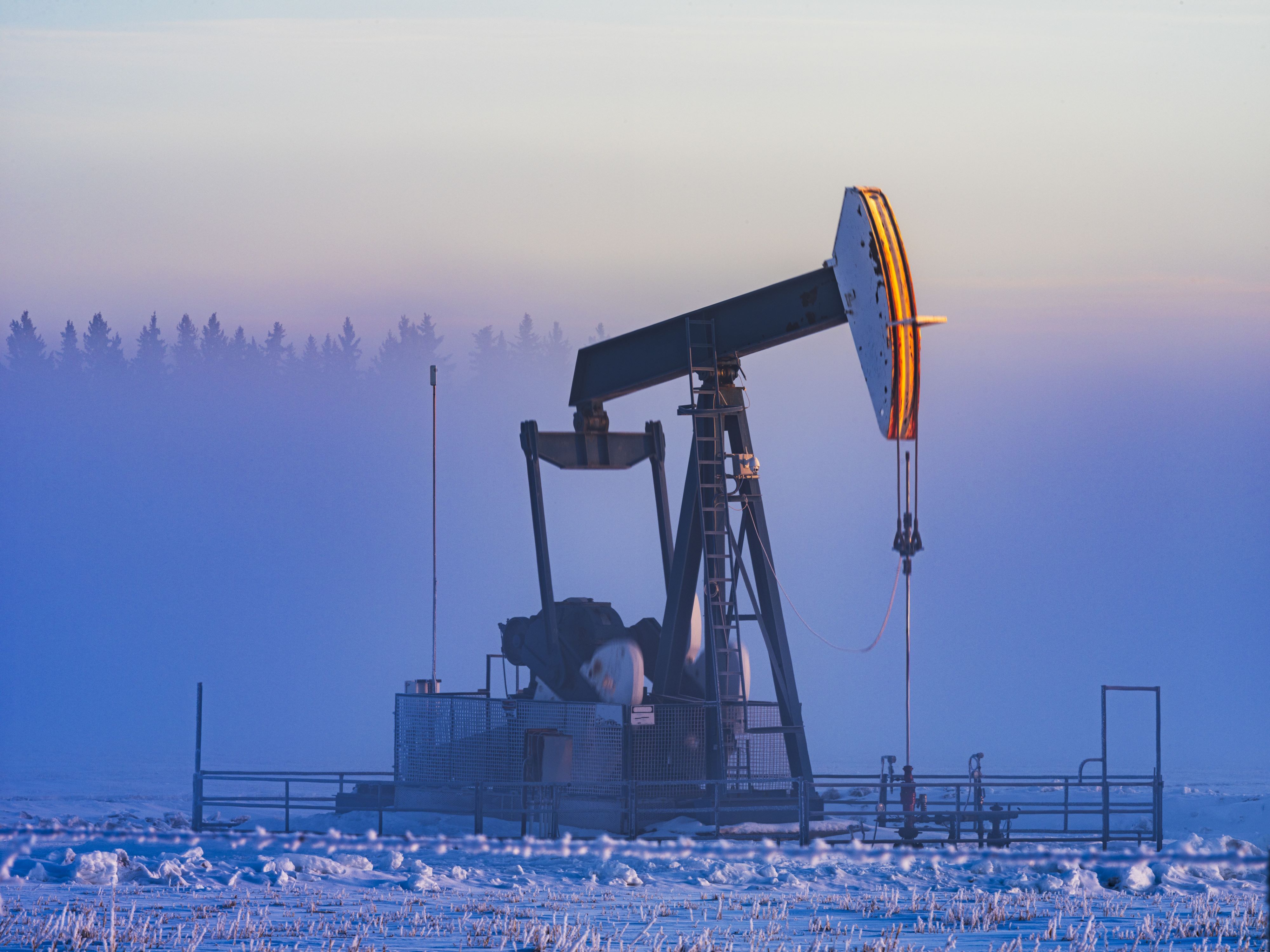
The current economic model is largely based on the extraction of geological carbon (oil, natural gas). Carbon is emitted into the atmosphere in the form of CO2 through the thermal utilization or degradation of these products at the end of their life cycle.
This linear process leads to a net increase in the concentration of CO2 in the atmospheric reservoir, as the natural sinks cannot compensate for the rate of anthropogenic input. In order to achieve the climate targets, the anthropogenic carbon cycle must be closed by using waste streams and atmospheric CO2 as secondary raw materials.
Chemical Recycling as an Enabler of the Circular Economy
While mechanical recycling (material recycling) is energetically efficient for unmixed thermoplastics, it comes up against systemic limits with complex material flows. These include
- Downcycling: Loss of quality due to foreign substances and ageing of the polymer chains.
- Composites: Impossibility of physically separating complex multilayer materials.
- Contamination: Adhesions that cannot be separated or rendered harmless during the mechanical process and thus contaminate the recyclate and rule it out for many uses.
Chemical recycling closes this gap by breaking down polymers into monomers or ven further into their molecular components. This enables the production of recyclates in primary raw material quality, which is particularly essential for regulated sectors such as food packaging, pharmaceuticals and medical technology.
Plasma Reforming: No Combustion, No Oxidation
In conventional thermochemical processes (e.g. gasification), a significant proportion of the feedstock is burned with the addition of oxygen, i.e. oxidized, in order to provide the process heat required for the endothermic reactions. This inevitably results in CO2 emissions within the process. The thermal process loses around 25% of the carbon contained in the feedstock to CO2 emissions.
The Cyclize process uses an electrically powered plasma reforming process that stands out from the state of the art chemiclal recycling due to the following technical features:
- Complete electrification: the enthalpy required for molecular conversion is supplied by electrical energy (plasma) instead of partial combustion. The use of electricity from renewable sources eliminates the process-related carbon footprint.
- Atomic recombination: In the non-thermal plasma, the input materials (such as plastic waste, mixed shredder light fractions or biomass) are dissociated into their atomic components. There is no oxidation to CO2, but rather a targeted formation of synthesis gas (H2 and CO).
- Resource efficiency: As the carbon content of the waste is not used to generate energy, the maximum amount of carbon for chemical reforming to synthesis gas is retained.
Conclusion
Establishing a carbon circular economy requires technologies that keep carbon in the system efficiently and without additional emissions. Plasma reforming is a key technology for ending dependence on fossil imports and tapping into both waste streams and CO2 emissions from industrial point sources as high-quality raw material sources.