Stuttgart Lab Plant
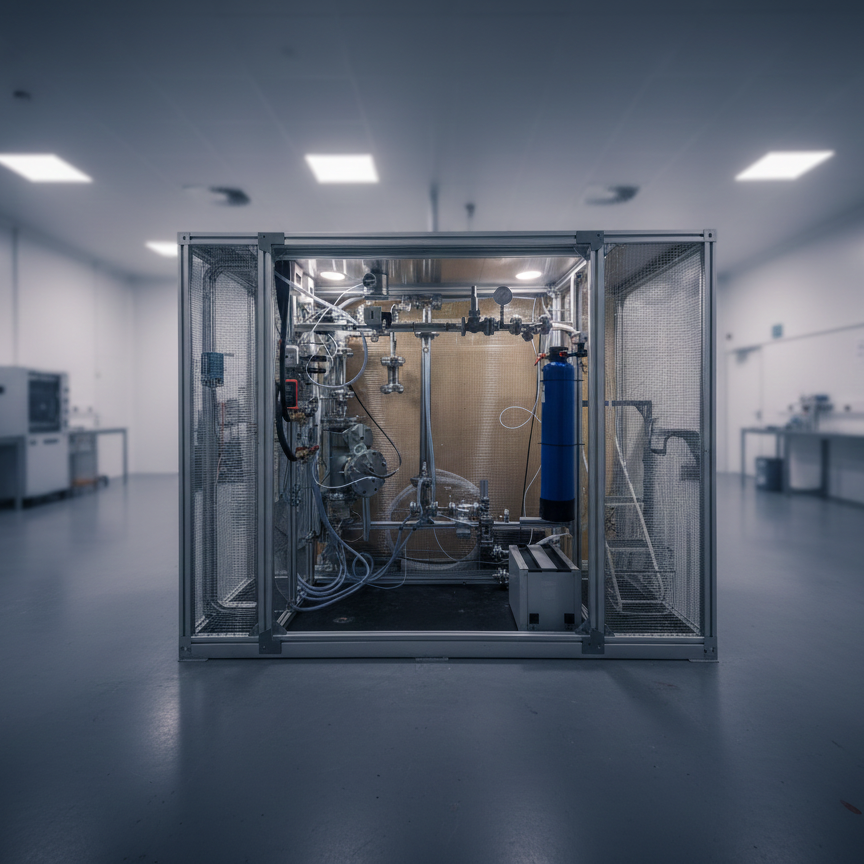
In order to decarbonize the chemical industry, waste must be understood as a valuable raw material. With the Stuttgart lab plant, Cyclize has created a highly flexible test environment to quickly and precisely validate the suitability of various waste streams for the waste-to-syngas process.
Executive Summary
The laboratory facility is used for Cyclize's central proof-of-feed experiments. Since its commissioning in December 2023, it has been used primarily for feedstock tests in batch operation. The aim is to test the chemical suitability of different waste materials,analyze synthesis gas qualities and determine reaction-related key figures. The focus is on determining the specific syngas yield per kilogram of waste and validating the carbon recovery rate. The plant enables an initial well-founded assessment of the product carbon footprint (PCF) and the cost structures for carbon recycling. The plant thus provides fundamental knowledge for upscaling to pilot and industrial scale.
Initial Situation & Motivation
The path from a complex waste mixture to a high-purity synthesis gas requires a deep understanding of the material. Before materials flow into continuously operating pilot plants, key questions need to be clarified:
- Is the specific waste material suitable for the Cyclize process?
- What yield of synthesis gas is possible with a specific feedstock?
- How high is the carbon recovery rate and the resulting PCF (gate-to-gate)?
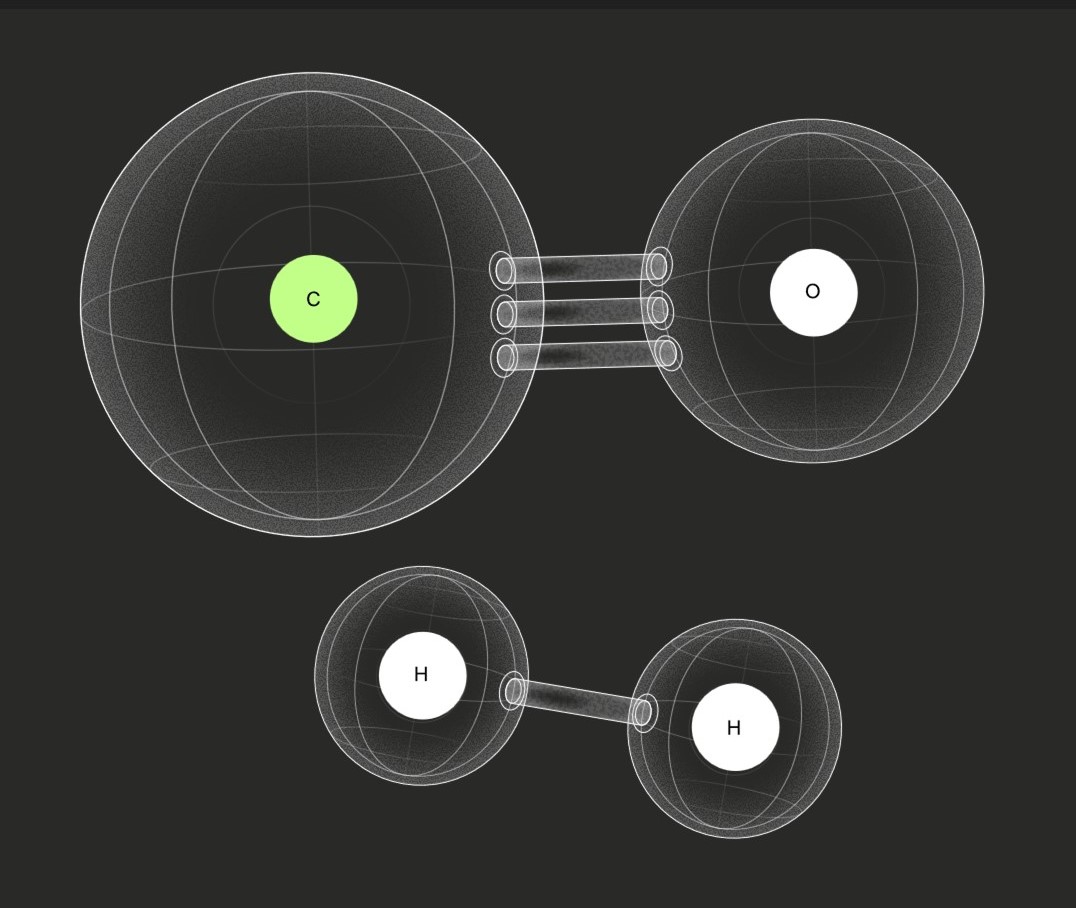
- What synthesis gas mixture (CO:H₂ ratio) can be achieved by dry or steam reforming?
- How does the plasma reactor behave with different feedstocks?
- What residues (ash, coke, soot) are produced?
- What pre-treatment of the feedstock is necessary?
The batch operation of the laboratory system allows maximum flexibility and short set-up times with a high cost-benefit factor. It is used to validate the operating parameters of the plasma reactor with real feedstocks. The laboratory scale is also explicitly designed to safely process hazardous waste fractions and investigate their behavior in the process.
Technical Concept & Innovation
The laboratory plant was designed as a "multi-purpose system". It processes a wide range of input material—from solid pellets, chips and foams to waxes and liquids.
Technical highlights:
- Technology Readiness Level (TRL): 4
- Reaction control: Support for dry and steam reforming at overpressure.
- Online monitoring of the product gas composition by spectroscopy).
- If required, offline analysis of the gas composition using micro-gas chromatography (micro-GC).
- New quench technology: An innovative concept for rapid cooling of the gas prevents unwanted side reactions.
- Plasma reforming: Use of a proprietary plasma reformer (3 kW) for highly efficient material conversion.
Results & Learnings
A general overhaul and the continuous integration of feedback loops ensured high stability andreproducibility of the experiments
- Process validation: The most important findings include the validation of specific heating curves in the batch process and the identification of suitable process temperatures for maximum material utilization.
- Material & design: As part of the test series, various reactor materials and geometries were successfully tested under real conditions. These findings were directly incorporated into an improved design of the preconverter and an optimized maintenance concept for faster turnarounds.
- Analytics: The detailed analysis of the test residues and condensates provides critical parameters for the design of downstream gas purification and water management in the scaled pilot and industrial plants.
Project Organization & Partnerships
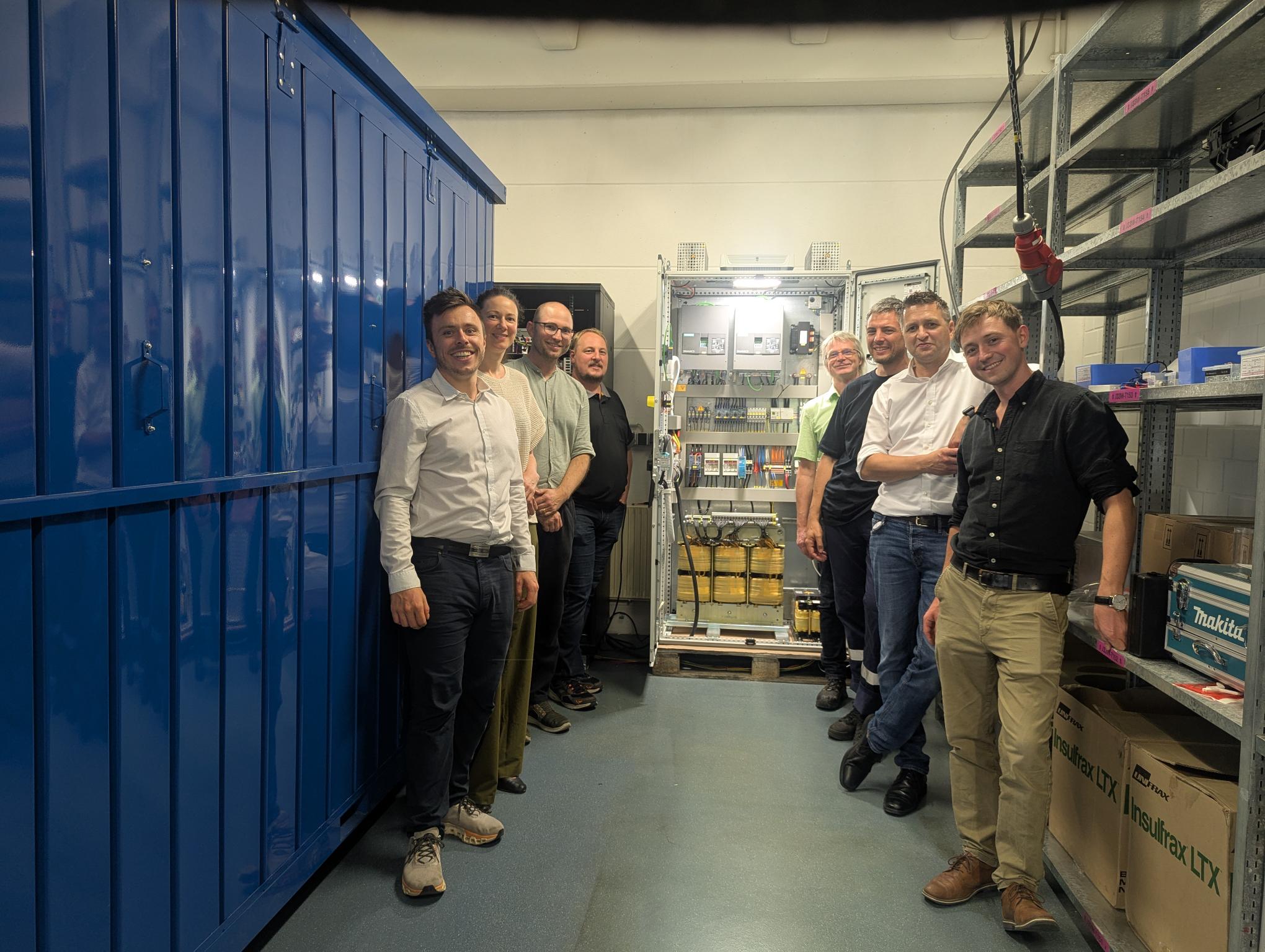
The project was realized with EXIST funds. Cyclize works closely with the Institute of Energy Process Engineering and Dynamics in Energy Systems (IED) for the precise analysis of feedstocks and by-products.
At a Glance: Key Technical Data
- Plant type: Laboratory plant (batch operation)
- Input: mixed waste fractions (solid or liquid)
- Output: Synthesis gas (CO, H₂) with adjustable mixing ratio
- Capacity: Up to 1 liter of feedstock per batch
- Power: up to 3 kW plasma power
Test Your Waste
Cylize offers to test waste and production residues for carbon recovery potential. If your interested just get in touch.